
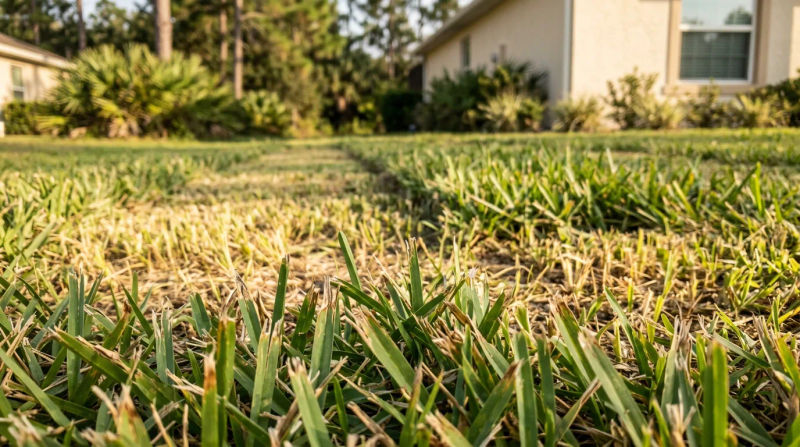
Hi, I’m Derek Holloway. With over a dozen years of experience caring for lawns in this part of Florida, I’ve seen just about everything. One of the most common frustrations I hear from homeowners is when they finish mowing, step back to admire their work, and see… an uneven mess. You put in the effort, but instead of a clean, uniform carpet of green, you’re left with patches, ragged edges, and a generally shaggy appearance. It’s a discouraging feeling, especially here in Marion Oaks during October. As the temperatures start to cool and grass growth slows, any imperfection in your mowing technique or equipment becomes much more obvious.
The shifting weather this time of year, with dry spells followed by occasional rain, can also affect the firmness of our sandy soil, making an uneven lawn cut more likely. If you’re wondering why your lawn doesn’t have that crisp, professional look, you’re in the right place. My team and I have troubleshooted this issue countless times, and it usually comes down to a few key culprits.
Common Signs and Symptoms
Before we can fix the problem, we need to correctly identify what’s happening. An “uneven cut” can manifest in several ways. When you walk your lawn after mowing, look closely for these specific signs. Each one tells a slightly different story about what might be going wrong.
- Ragged or Frayed Grass Tips: Instead of a sharp, clean cut, the tops of the grass blades look torn or shredded. A day or two later, these tips will often turn a whitish or brownish color. This is one of the most common dull mower blade symptoms Marion Oaks homeowners encounter.
- A “Washboard” or Rippled Look: From a distance, your lawn appears to have waves or ridges running through it. This happens when the mower blade is vibrating or the deck is bouncing as you move.
- Scalping: These are patches where the grass is cut extremely short, sometimes right down to the soil. This is most common on high spots or bumps in the yard.
- Mohawks or Strips of Taller Grass: You’ll see distinct lines of uncut or taller grass between your mower passes, looking like a series of mini mohawks across the lawn.
- A Tilted Appearance: One side of each mower pass is consistently shorter than the other, creating a slanted or layered look across the entire yard.
For the many beautiful homes in Marion Oaks, especially those built in the 1990s and 2000s where a lush lawn is a key part of the curb appeal, these symptoms can be particularly frustrating. A clean cut is essential for that polished look.
What Causes This Problem
Now that you know what to look for, let's explore the root causes. In my experience, the answer to why grass looks uneven after mowing Florida lawns is rarely just one thing. It's often a combination of equipment issues, technique, and underlying lawn conditions.
- Dull Mower Blades: This is, without a doubt, the number one cause. A sharp blade slices cleanly through the grass. A dull blade doesn't cut; it rips and tears the grass tissue. This violent action is what causes those ragged grass tips after mowing Marion Oaks residents see. It not only looks bad but also stresses the grass, making it more susceptible to disease and drought.
- An Unbalanced Mower Deck: Your mower deck - the metal housing for the blades - needs to be perfectly level from side to side and have a slight upward tilt from front to back. If it’s tilted to one side, you'll get that slanted cut. If it's too low in the front, it can bog down; too high, and it won't create enough lift to pull the grass blades up for a clean cut.
- Clogged Mower Deck: During a mow, grass clippings, dirt, and moisture can build up on the underside of your deck. This buildup restricts airflow and gets in the way of the blades, preventing them from spinning freely and cutting evenly. It’s like trying to run with weights on your ankles.
- Mowing Too Quickly: It’s tempting to rush the job, but moving too fast forces the mower blades to try and cut more grass than they can handle. This pushes some blades of grass over instead of cutting them, and they pop back up after you’ve already passed, creating an uneven lawn cut.
- Improper Overlapping: Those “mohawks” I mentioned are almost always caused by not overlapping your mowing passes correctly. A good rule of thumb is to overlap each pass by about the width of one tire to ensure you don’t miss any strips.
- Uneven Terrain or Thatch: If your lawn is naturally lumpy, the mower wheels will rise and fall, causing the deck to scalp high spots and miss low spots. A thick layer of thatch (the dead organic matter between the soil and the green grass) can also create a spongy surface, causing the wheels to sink and leading to an inconsistent cut height.
- Incorrect Mower Settings: This might sound basic, but it happens all the time. Check that all four wheels are set to the same height adjustment. Also, check your tire pressure. A single low tire can be enough to tilt the entire mower deck and ruin the quality of your cut.
When to Call a Professional
Many of these issues can be addressed with some basic DIY maintenance. You can easily clean your mower deck, check your tire pressure, and adjust your mowing speed. These are great first steps.
However, some tasks are best left to experienced professionals. Here’s when I recommend getting some help:
- Blade Sharpening and Balancing: While you can buy a sharpening kit, getting a blade professionally sharpened and, just as importantly, balanced is crucial. An unbalanced blade will vibrate intensely, which can damage your mower’s engine spindle and create that washboard effect on your lawn.
- Leveling the Mower Deck: This requires a level surface, a blade gauge, and the right wrenches. It can be a finicky process, and if you get it wrong, you’ll just be trading one problem for another. A qualified professional can do this quickly and accurately.
- Diagnosing Underlying Lawn Issues: If you’ve checked off all the equipment and technique issues but still have an uneven cut, the problem may be with your lawn itself. A professional can properly diagnose issues like excessive thatch, soil compaction, or grading problems and recommend services like core aeration or topdressing to solve the root cause.
- When You're Out of Time or Patience: Let’s be honest, sometimes you just don’t have the time or desire to troubleshoot mower mechanics. That’s what we’re here for. An experienced lawn care team uses commercial-grade, meticulously maintained equipment to deliver a perfect cut every time.
Conclusion
A beautiful lawn starts with a healthy cut. If you’re seeing an uneven finish, don’t ignore it. Start by checking for the most common culprits: dull blades, a dirty or unlevel mower deck, and your own mowing technique. These simple checks solve the problem a majority of the time.
A clean cut isn't just about aesthetics; it promotes healthier, more resilient turf that is better equipped to handle the stresses of our Florida climate. Addressing these issues now, as we head into the cooler, drier months, will set your lawn up for success next spring.
If you've checked your mower and technique but are still seeing an uneven cut, it might be time to get a second opinion. Contact a local lawn care professional for an inspection to get to the root of the problem and ensure your lawn looks its best.